







A studio art degree offers far more career options than the “starving artist” stereotype suggests. Today’s world depends on people who can think creatively, communicate visually, and bring new ideas to life — skills you develop through focused studio practice.
For some graduates, that means gallery or studio work. For others, it opens doors in education, digital media, nonprofit organizations, therapy-related fields, or creative entrepreneurship. The flexibility of this degree allows you to build a path that fits your strengths and interests.
You’ll graduate with strong artistic skills and practical abilities that employers and clients value. At Cedarville, this preparation is grounded in a biblical view of calling and vocation, helping you understand how your creative gifts can make a real Kingdom impact.
Potential Career Paths With a Studio Art Degree
Professional Artist
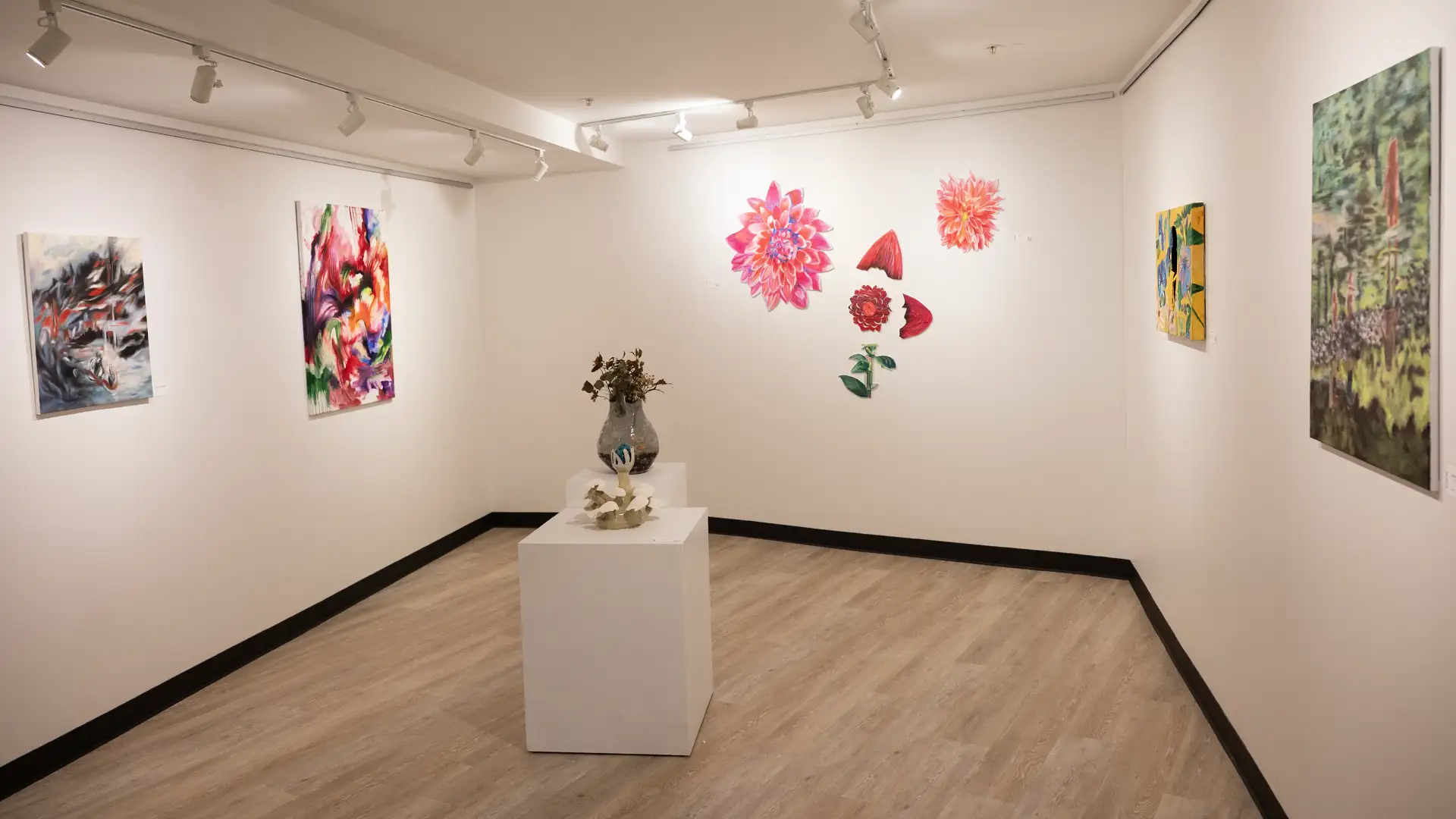
If you see yourself creating and exhibiting artwork, a degree in studio art gives you the foundation to build a studio practice, participate in exhibitions and art markets, and pursue residencies or advanced study.
Many artists combine their practice with commissions, teaching, or creative consulting to build a balanced, sustainable career.
Art Education
If you enjoy mentoring others, you can pursue K–12 art education*, lead community programs, or teach at the college level with further graduate study. This path offers stability while allowing you to stay closely connected to creative work.
*Some students pursue licensure for teaching, while others teach in private or charter schools where licensure is not required.
Art Therapy and Creative Counseling
Students who want to combine creativity with care can add a minor in psychology and/or graduate study to pursue roles in art therapy, counseling, or community health programs.
Museum, Gallery, and Arts Administration
If you’re detail-oriented and enjoy organizing projects, you could help curate exhibitions, manage arts programming, coordinate volunteers, or support cultural nonprofits.
Creative Entrepreneurship
Many alumni develop hybrid careers that blend multiple income streams. If you prefer flexibility or independent work, a studio art degree can support the launch of your own creative business — whether through commissions, products, workshops, or services.
Pairing your studio art degree with a minor in accounting, marketing, or entrepreneurship — or adding a double major in a business or communication field — can strengthen your creative career path and expand your professional opportunities.
Addressing Common Questions and Misconceptions
Can you make a stable living with a studio art degree?
Yes. Most studio art careers combine creativity with practical skills used in business, education, communication, technology, and nonprofit work. Graduates enter roles with predictable income (like design or education) or build flexible, diversified creative practices. The degree prepares you for both.
Is a studio art degree versatile?
Yes, studio art is a very versatile degree. The combination of visual skills, design thinking, and project management applies across industries — including those outside traditional art sectors.
Students often find new interests in design, digital media, or community arts leadership and add a graphic design or related minor to expand their versatility.
What if I don't want to be a full-time artist?
You don’t have to be. Many students use their art background to pursue design, education, gallery management, therapy-related work, or business ownership. Studio art is a foundation for multiple career pathways — not a single track.
Will I graduate with practical skills, not just creativity?
Absolutely — a studio art degree develops the skills today’s creative economy depends on — visual storytelling and original thinking.
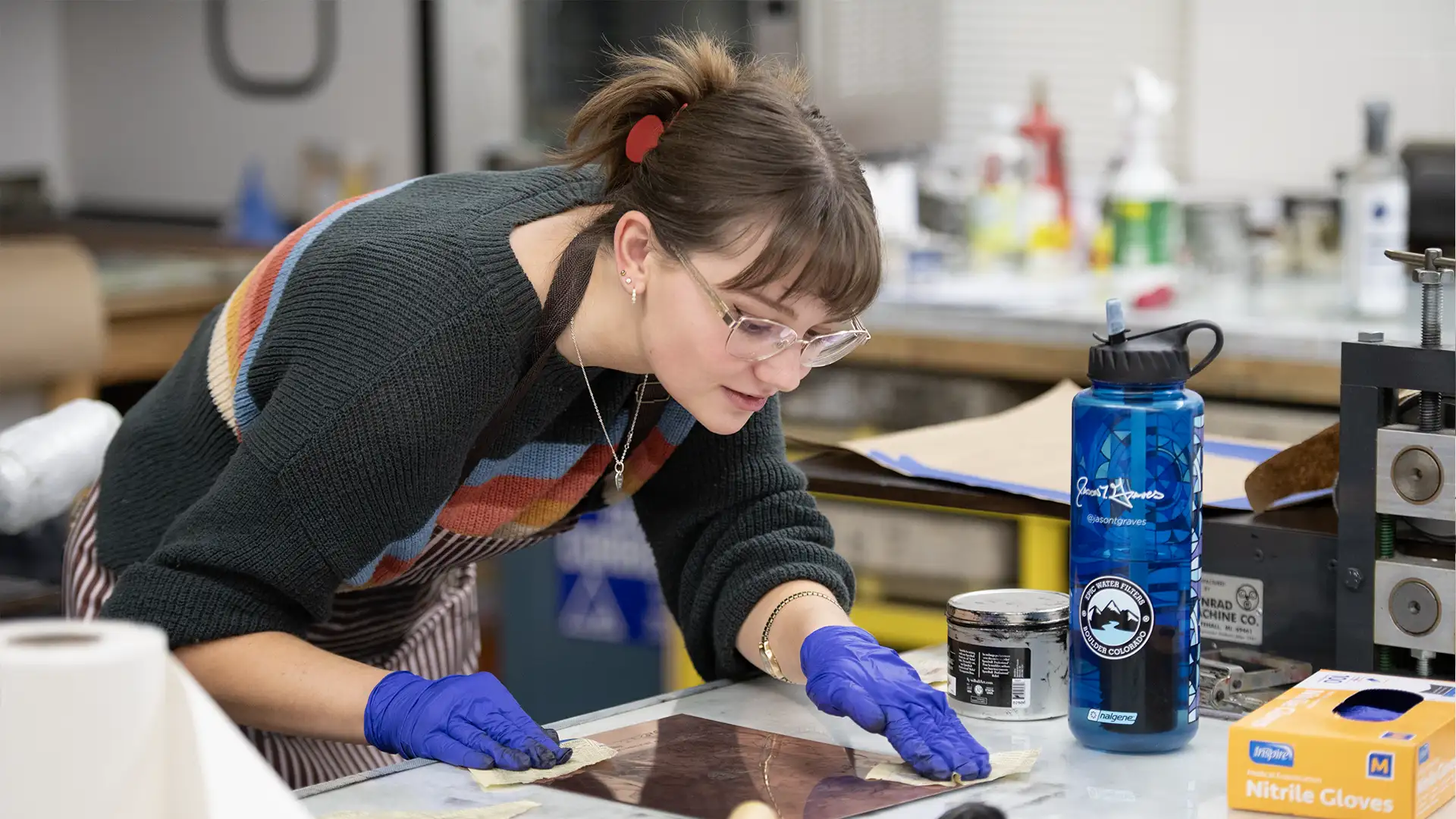
Through studio art courses, critiques, and project-based work, you’ll build:
- Strong visual and conceptual communication
- Creative problem-solving and ideation
- Technical proficiency in traditional and digital media
- Effective project and time management
- A professional portfolio tailored to your career goals
- The ability to work independently and collaborate well with others
These competencies prepare you for creative, educational, entrepreneurial, and cross-industry roles where clear communication, disciplined execution, and adaptable thinking are essential.
Where Cedarville University Studio Art Graduates Are Working
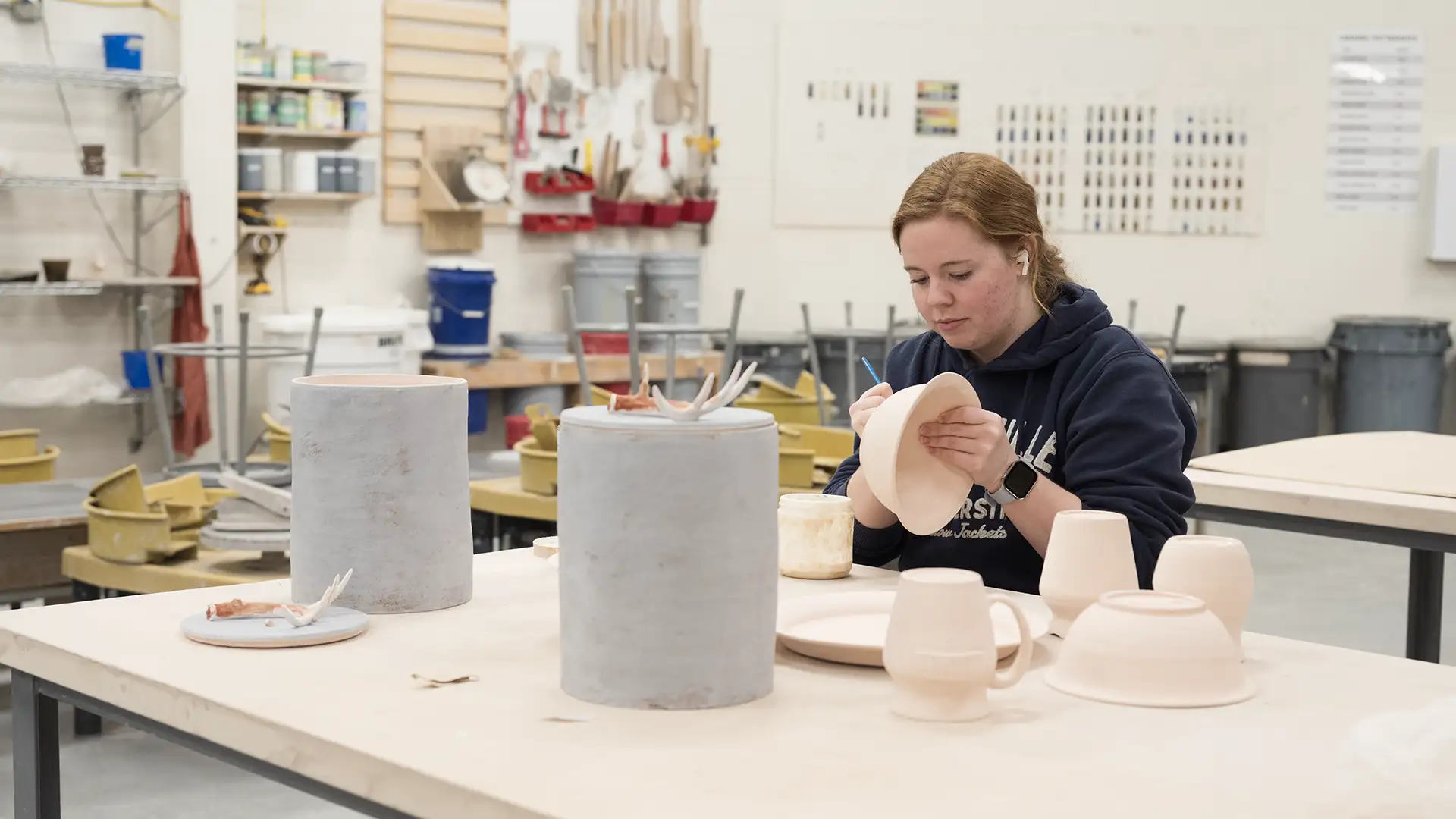
Cedarville studio art graduates apply their skills in creative agencies, schools, museums, ministries, nonprofits, community arts programs, and independent studios.
Many build hybrid careers that blend freelance work, teaching, gallery involvement, and personal studio practice, while others pursue graduate study in fine arts, design, art therapy, or education.
Recent alumni have:
- Exhibited artwork in regional and national galleries
- Earned competitive fellowships and artist residencies
- Launched freelance illustration and design studios
- Supported exhibition and program operations in museums and galleries
- Started small creative businesses and online shops
- Completed advanced degrees in art, design, therapy, and education
- Become K–12 art educators and arts/community program leaders
These outcomes demonstrate the adaptability of a studio art degree and the range of professional directions it can support.
Explore Opportunities Beyond the Degree
To explore the broader creative landscape — including internships, residencies, grants, and early-career roles — students often look to organizations such as the New York Foundation for the Arts, ArtsWave (Cincinnati), the Ohio Arts Council, and the Greater Columbus Arts Council. These organizations highlight the kinds of internships, residencies, grants, and creative roles available to emerging artists and arts professionals.