








Parent Prep
Why a Christian College’s Doctrinal Statement Matters
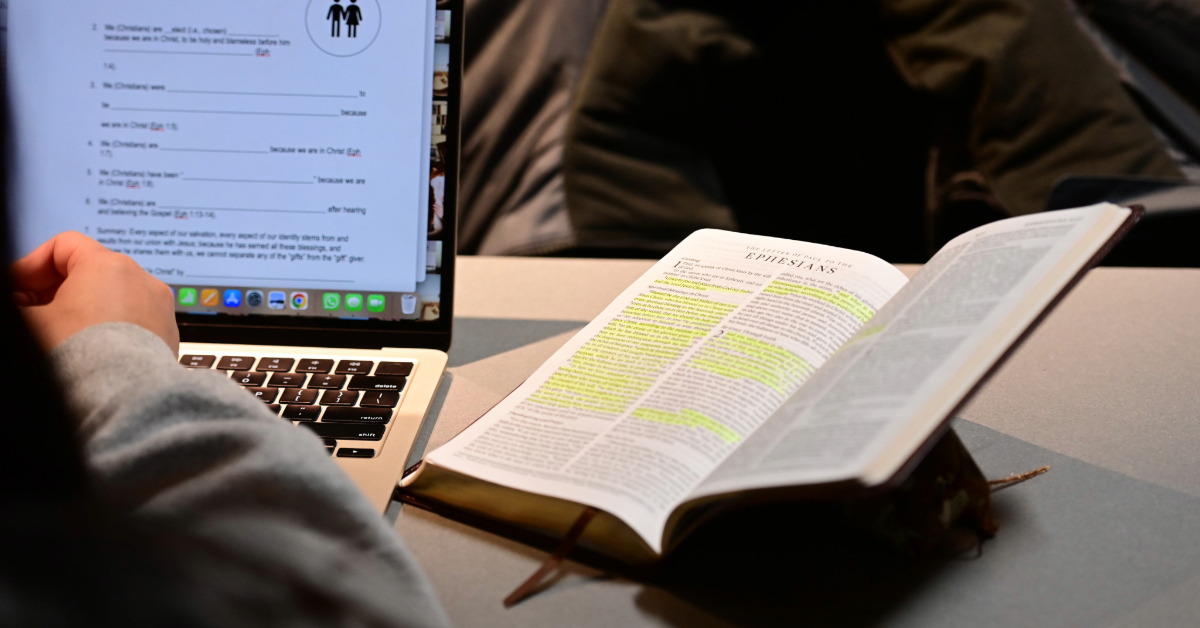
When you're looking at Christian colleges with your student, you'll probably see a doctrinal statement or statement of faith somewhere on each university's website. Like the statement of beliefs at your local church, it explains the theological convictions that guide the institution.
But how much should a doctrinal statement factor into your student's college decision?
Quite a bit — especially if you're looking for a college where your student will be encouraged to grow spiritually as well as academically.
A doctrinal statement tells you what a university says it believes. As you compare Christian colleges, though, don't stop there. Look at whether those beliefs actually shape the education and community your student will experience.
Start With What the College Says It Believes
A doctrinal statement gives you a starting point for understanding the theological foundation of a Christian college. Read it carefully with your student rather than simply checking to see that the college identifies itself as Christian.
Pay particular attention to what the university says about the authority of Scripture and foundational Christian doctrines. You don't necessarily need to agree on every secondary theological issue, but you should understand where differences exist and consider how they could affect your student's experience.
If you have questions about something you read, your pastor can also be a valuable resource as your family considers the theological differences among Christian colleges.
Look Beyond the Christian Label
A doctrinal statement is a good place to start, but it doesn't tell you everything. The bigger question is whether the college actually operates according to what it says it believes.
That's something other Christian higher education leaders encourage families to consider, too. Timothy Hall, writing for The Gospel Coalition, recommends looking beyond a college's Christian label to find out who is teaching students and whether those faculty members share the institution's stated commitments. Matthew Hall similarly encourages families to consider how a college's Christian beliefs shape its academics, discipleship, and preparation for Christian service.
Your student's professors are especially important. They'll teach the classes, certainly, but they'll also answer questions, offer advice, challenge your student to think more deeply, and influence how your student begins to connect faith with life and work.
If you're choosing a Christian college because you want your student to receive an education grounded in biblical truth, find out whether the people who will teach and mentor them are committed to the same beliefs the university says it holds.
At Cedarville, that's not something we just assume. Faculty and staff members affirm the University's doctrinal statement during the hiring process and reaffirm it every year.
That gives parents a clear point of accountability, but more importantly, it gives our campus a shared foundation. The people teaching, mentoring, coaching, advising, and serving our students are working from the same biblical commitments.
Read Cedarville University's doctrinal statement
Look for Biblical Integration in the Classroom
One of the clearest places you should be able to see a college's theological commitments is in the classroom.
Biblical integration shouldn't mean adding a Bible verse to a lecture or limiting conversations about faith to Bible classes. Students should learn to think carefully and biblically about the ideas, questions, and challenges they'll encounter within their chosen fields.
At Cedarville, every undergraduate student completes a five-course Bible minor that grounds them in Scripture and theology. But biblical integration doesn't end when students leave their Bible classes. Faculty help students understand how biblical truth informs their discipline and how their Christian faith should shape the way they approach their future vocation.
That requires professors who are equipped to do this work well. Cedarville offers faculty the opportunity to complete a graduate certificate in biblical and theological studies at no cost, providing additional theological training that strengthens their ability to integrate Scripture into their disciplines and disciple students.
Higher education strategy firm TG Three recently pointed to this investment as evidence of Cedarville "deepening their strategy — rooting it even more firmly in Scripture."
Pay Attention to Life Outside the Classroom, Too
Of course, your student's college experience will include much more than classes. A university's theological commitments should be evident in the kind of community it's building and the opportunities students have to grow and practice their faith.
At Cedarville, students gather for chapel each weekday to worship together and hear biblical teaching. They build relationships with other believers through discipleship groups and have opportunities to serve through ministries on campus, in the surrounding community, and beyond.
Those opportunities are important, but a Christian university isn't a replacement for the local church. Both Timothy Hall and Matthew Hall emphasize the importance of church involvement during the college years.
We do, too. Cedarville encourages students to become active participants in a local church where they can worship, serve, build relationships, and continue growing as followers of Christ.
Finding a Local Church at College
Ultimately, we want students to see that their faith isn't something confined to chapel, Bible class, or even their college years. It should shape how they live and serve wherever God calls them next.
That includes their careers.
Certainly, you want your student to graduate prepared for meaningful work. But a distinctly Christian education should also help them consider how God might use their gifts, education, and vocation for His purposes.
At Cedarville, we want students to leave prepared to faithfully serve Christ through their work, churches, communities, and families.
That's part of what we mean when we say Cedarville exists for the Word of God and the Testimony of Jesus Christ.
So, What Should You Ask?
As you research colleges, you don't have to become a theologian or conduct an exhaustive investigation of every institution. But you should be willing to ask a few good questions:
- What does the university believe, and where can I read its doctrinal statement?
- Who is required to affirm those beliefs, and how often?
- How do those beliefs shape what happens in the classroom?
- How are professors equipped to integrate biblical truth into their disciplines?
- What opportunities will my student have for worship, discipleship, church involvement, and service?
- How will the university help my student connect faith with their future vocation?
And don't feel like you need to find all the answers on a website. Ask these questions when you visit campus. Talk with admissions counselors, professors, current students, and other parents. Listen not only for the answers they give but for whether you see those answers reflected in the campus community.
Know Who Will Be Teaching and Mentoring Your Student
As you compare Christian colleges, take time to understand not only what each university says it believes but how those beliefs shape the student experience. Ask questions, talk about what you're learning with your student, and seek wise counsel when you need it.
After all, you're not simply choosing where your student will earn a degree. You're choosing a community that will have a significant role in shaping who they're becoming.
Posted in Spiritual Growth Why Christ Centered Higher Education



Archives by Category
- Academics (19)
- Admissions (11)
- Affordability (8)
- Campus Visit (4)
- Careers (16)
- Dual Enrollment (8)
- Events (5)
- Financial Aid (19)
- Spiritual Growth (21)
- Student Life (6)
- Why Christ Centered Higher Education (23)